1st prize and a silver platter – Lazdona congregation mixed choir (H. Mednis);
• Urban choirs (five choirs participate, compulsory songs – J. Zālītis Ceļš uz Dzimteni (Road to the Homeland) and V. Darziņš Rotaļa (Plaything)):1st prize and silver chest – Dubulti congregation mixed choir (V. Eiche).
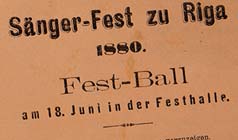
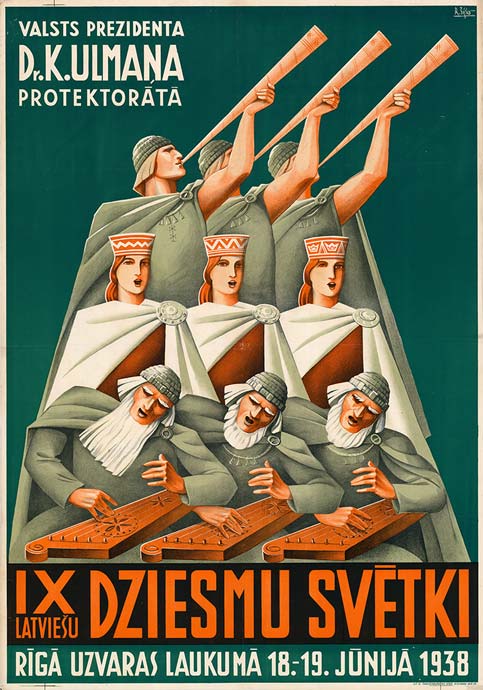
The Gallery displays the photographs related to a particular Celebration or festival. Here you will also find photographs of festival souvenirs and items, such as chief conductors’ and chief choreographers’ pins, conductors’ batons, prizes and trophies of choir competition winners, and the commemorative coins, badges, bookmarks, pennants, decorative plates specially produced for each event, as well as entrance tickets, passes and posters.

From the very beginning of the Celebration, chief choir conductors have been particularly honoured, and since 1948, when the first grand dance performance was included in the Celebration programme, chief choreographers have been similarly honoured. The Honorary (Goda) title is bestowed on long-standing, highly respected chief conductors and chief choreographers. The Personalities section contains extended biographical profiles, photographs, video interviews and other materials relating to the respective event’s honorary chief conductors and chief choreographers.
The choice of repertoire has always been a particularly important issue at Celebrations – how many much-loved and familiar classics to include in the programme, how many new works to be given the opportunity? Should we perform only our national repertoire, or should we also include foreign repertoire? Programmes ought to consider the wishes and potential of both participants and organisers, but there are also the obligatory duties once demanded by the prevailing regime. In this section you can find digitised Celebration programmes with event and concert repertoires, as well as lists of the repertoire for the massed and combined choirs and grand dance performance repertoires.
|
Song title
|
Composer / Finisher
|
Text
|
|---|---|---|
| Kantāte Tēvijai | Jurjānu Andrejs (1856-1922) | Jurjānu Andrejs |
| Mēness starus stīgo | Emīls Dārziņš (1875-1910) | Aspazija |
| Dievs, svētī Latviju! | Baumaņu Kārlis (1835-1905) | Baumaņu Kārlis |
| Gaismas pils | Jāzeps Vītols (1863-1948) | Auseklis |
| Beverīnas dziedonis | Jāzeps Vītols (1863-1948) | Auseklis |
| Pūt, vējiņi | Emilis Melngailis (1874-1954) | Tautasdziesma |
| Ceļš uz dzimteni | Jānis Zālītis (1884-1943) | Pēteris Blaus |
| Jāņuvakars | Emilis Melngailis (1874-1954) | Tautasdziesmas vārdi |
| Svētku kantāte | Jāzeps Mediņš (1877-1947) | Jānis Medenis |
| Līksmības dziesma | Jēkabs Graubiņš (1886-1961) | Jānis Medenis |
| Svētī, Dievs, šo zemi dzimto | Jāzeps Vītols (1863-1948) | Ludis Bērziņš |
| Lokatiesi, mežu gali | Emilis Melngailis (1874-1954) | Tautasdziesma |
| Svešāi zemē | Emilis Melngailis (1874-1954) | Tautasdziesma |
| Rīgā pirku sirmu zirgu | Jāzeps Vītols (1863-1948) | Tautasdziesmas vārdi |
| 15.maija dziesma | Jānis Norvilis (1906-1994) | Vilis Plūdonis |
| Kam drosme ir | Jānis Norvilis (1906-1994) | Kārlis Ulmanis |
| Dzimtenei | Pēteris Barisons (1904-1947) | Rūdolfs Bušs |
| Atdzimšanai | Alfrēds Feils (1902-1942) | Kārlis Eliass |
| Dievzemīte | Ādolfs Skulte (1909-2000) | Augusts Pārslietis |
| Nakts | Jāzeps Vītols (1863-1948) | Veismanis [Pavasaru Jānis] |
| Kas tie tādi spēka vīri | Alfrēds Kalniņš (1879-1951) | Vilis Plūdonis |
| Karavīra līgaviņa | Emilis Melngailis (1874-1954) | Tautasdziesma |
| Tautai | Emilis Melngailis (1874-1954) | Andrejs Pumpurs |
| Rotaļa | Volfgangs Dārziņš (1906-1962) | Tautasdziesma |
| Kūko, zelta dzeguzīte | Jēkabs Graubiņš (1886-1961) | Latgaliešu tautasdziesma |
| Taisām tiltu pār Daugavu | Jēkabs Graubiņš (1886-1961) | Tautasdziesma |
| Latvija daiļa | Valdemārs Ozoliņš (1896-1973) | Jānis Sanders |
| Senatne | Emilis Melngailis (1874-1954) | Rainis |
| Dziedot dzimu, dziedot augu | Alfrēds Kalniņš (1879-1951) | Tautasdziesma |
| Dziesma brīvai Latvijai/ Lai līgo lepna dziesma | Jānis Kalniņš (1904-2000) | Vilis Plūdonis |
|
Dance name
|
Choreographer
|
Musical Arrangement / Music
|
|---|
Parades have taken place at all Song Celebration and Dance Festivals (except 1926) and form the event’s most colorful presence in the city itself. Parades feature both organizers and participants dressed in folk costumes, with floral bouquets and wreaths. Spectators on overflowing pavements applaud and cheer, expressing their joy and gratitude to the organizers and participants. Parade routes have varied, but one of the most emotional highlights is now at the Freedom Monument. This section includes a description of parade routes, route maps, photographs and quotes from the memories of contemporaries.
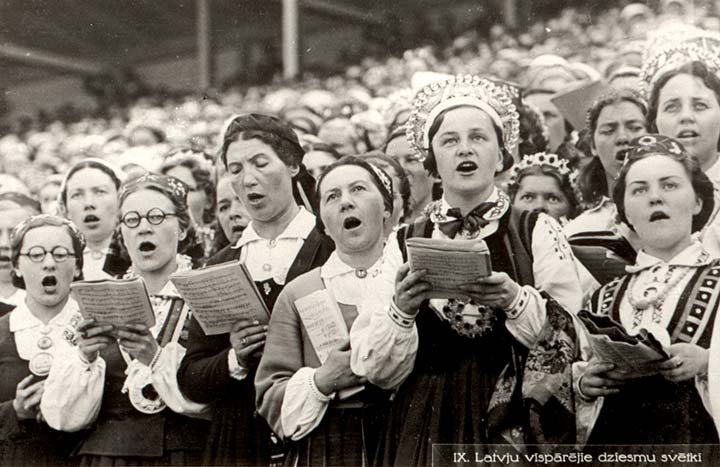
“Pirmo koru koncertu 18. jūnijā ievadīja grandiozs svētku gājiens. Tas sākās 15.30 Vienības laukumā, no kurienes aizvijās tālāk pa vairākām galvenajām ielām, skarot arī universitāti un Latvijas konservatoriju, pēc kam turpinājās pāri Daugavas dzelzs tiltam līdz svētku vietai Uzvaras laukumā. Gājienu noskatījās prezidents Kārlis Ulmanis kopā ar pārējiem valdības locekļiem, tāpat to novēroja tūkstošiem citu gan ielu malās, gan apstādījumos, gan namu logos sapulcējušos skatītāju. Viss gājiens ilga pusotras stundas, un var droši sacīt, ka tik skaistu skatu Rīga nebija redzējusi visā savā vairāk kā 700 gadu garajā mūžā.
Vareno iespaidu cēla vēl tas, ka šoreiz visas dziedātājas bija ģērbušās savu novadu tērpos, tā ka pēdējo dažādība šķita sasniegusi maksimumu; tāpat samērā daudz tautas tērpu bija vīriešiem un pat publikā. Jo impozants skats pavērās ielenktajā estrādē. Nacionālie karogi apvija arī visu Uzvaras laukumu, kas bija viļņojošas ļaužu jūras pilns.”
(Bērzkalns, Valentīns. Latviešu dziesmu svētku vēsture : 1864-1940. 1965. 480.-481. lpp.)
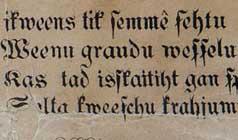
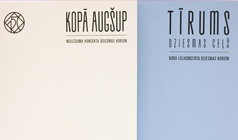
A wide variety of materials have always been printed for Celebrations and festivals – sheet music, books, booklets, programme books, event plans, dance descriptions, periodicals, notices, rules of order, entrance cards, invitations, flyers, thank-you notes. The section includes the above-mentioned material dedicated to each specific Celebration, as well as music history books covering both the specific Celebration and the history of the festivals in general.
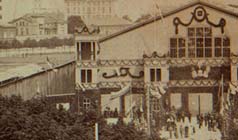
Many different documents are produced during the process of organising evens. This section contains documents on developing Celebration concepts, minutes of organising committee meetings, financial documents, individual and inter-institutional correspondence, decisions taken, documentation relating to the construction of festival buildings, regulations and instructions for participation in festivals, documents relating to the running of competitions (lists of participants, repertoire, applications for participation). Documents are in Latvian and Russian.
Here you will find recordings of broadcasts from the Latvijas radio sound library, as well as audio recordings of songs performed at particular Song Celebration concerts.