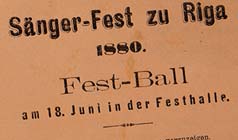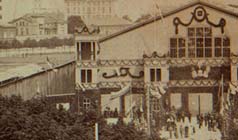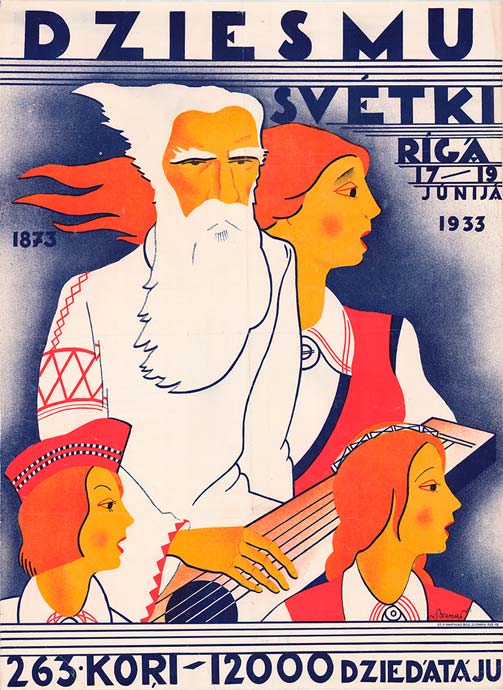
The Gallery displays the photographs related to a particular Celebration or festival. Here you will also find photographs of festival souvenirs and items, such as chief conductors’ and chief choreographers’ pins, conductors’ batons, prizes and trophies of choir competition winners, and the commemorative coins, badges, bookmarks, pennants, decorative plates specially produced for each event, as well as entrance tickets, passes and posters.

From the very beginning of the Celebration, chief choir conductors have been particularly honoured, and since 1948, when the first grand dance performance was included in the Celebration programme, chief choreographers have been similarly honoured. The Honorary (Goda) title is bestowed on long-standing, highly respected chief conductors and chief choreographers. The Personalities section contains extended biographical profiles, photographs, video interviews and other materials relating to the respective event’s honorary chief conductors and chief choreographers.
The choice of repertoire has always been a particularly important issue at Celebrations – how many much-loved and familiar classics to include in the programme, how many new works to be given the opportunity? Should we perform only our national repertoire, or should we also include foreign repertoire? Programmes ought to consider the wishes and potential of both participants and organisers, but there are also the obligatory duties once demanded by the prevailing regime. In this section you can find digitised Celebration programmes with event and concert repertoires, as well as lists of the repertoire for the massed and combined choirs and grand dance performance repertoires.
|
Song title
|
Composer / Finisher
|
Text
|
|---|---|---|
| Kas tie tādi, kas dziedāja | Dāvids Cimze (1822-1872) | Tautasdziesma |
| Balta puķe | Jānis Neilands (1831-1900) | Tautasdziesma |
| Latviski lai atskan dziesmas! | Baumaņu Kārlis (1835-1905) | Lapas Mārtiņs |
| Rīga dimd | Jānis Cimze (1814-1881) | Tautasdziesma |
| Teci, teci, kumeliņi | Oskars Šepskis (1850-1915) | Tautas dziesma |
| strauja upe tecēj'" | Vīgneru Ernests (1850-1933) | Tautasdziesma |
| Kur tu augi, daiļa meita | Straumes Jānis (1861-1929) | Tautasdziesma |
| Bērzs tīrelī | Jāzeps Vītols (1863-1948) | Vensku Edvarda atdzejojums |
| Dievs, dod mūsu tēvu zemei | Jurjānu Andrejs (1856-1922) | Jurjānu Andrejs |
| Dieva lūgums | Jāzeps Vītols (1863-1948) | Augusts Kažoks |
| Stādīju ieviņu | Jurjānu Andrejs (1856-1922) | Tautasdziesma |
| Tautiešami roku devu | Jurjānu Andrejs (1856-1922) | Tautasdziesma |
| Imanta | Alfrēds Kalniņš (1879-1951) | Andrejs Pumpurs |
| Dievs, svētī Latviju! | Baumaņu Kārlis (1835-1905) | Baumaņu Kārlis |
| Ak, Jeruzaleme, mosties! | Jurjānu Andrejs (1856-1922) | Korālis |
| Gaismas pils | Jāzeps Vītols (1863-1948) | Auseklis |
| Birztaliņa | Jānis Zālītis (1884-1943) | Kārlis Jekabsons |
| Bārenītes slavināšana | Emilis Melngailis (1874-1954) | Tautasdziesma |
| Latvju himna | Alfrēds Kalniņš (1879-1951) | Vilis Plūdonis |
| Beverīnas dziedonis | Jāzeps Vītols (1863-1948) | Auseklis |
| Sapņu tālumā | Emīls Dārziņš (1875-1910) | Aspazija |
| Pūt, vējiņi | Jurjānu Andrejs (1856-1922) | Tautasdziesma |
| Kā gulbji [balti padebeši iet] | Kārlis Kažociņš (1886-1920) | Eduards Veidenbaums |
| Jāņuvakars | Emilis Melngailis (1874-1954) | Tautasdziesmas vārdi |
| Aiz upītes meitas dzied | Ādolfs Ābele (1889-1967) | Tautasdziesma |
| Uz augšu | Jurjānu Andrejs (1856-1922) | Jānis Poruks |
| Pirmo dziesmu svētku piemiņai | Emilis Melngailis (1874-1954) | Emilis Melngailis |
| Varoņu dziesma | Jānis Zālītis (1884-1943) | Antons Austriņš |
| Dziesmas lielas lidotājas | Pēteris Barisons (1904-1947) | Jānis Akuraters |
| Saki jel, saulīte | Emilis Melngailis (1874-1954) | Mārtiņš Siliņš |
| Birzēm rotāts Gaiziņš | Volfgangs Dārziņš (1906-1962) | Kārlis Jēkabsons |
| Pavasara dziesma/ Ej projāme, ledutiņ | Jēkabs Poruks (1895-1963) | Tautasdziesmas vārdi |
| Trīs māsiņas/ Trīs māsiņas mežā gāja | Volfgangs Dārziņš (1906-1962) | Tautasdziesma |
| Švāģera meitiņa | Volfgangs Dārziņš (1906-1962) | Tautasdziesma |
| Kurš putniņš dzied tik koši? | Jānis Kalniņš (1904-2000) | Tautasdziesma |
| Es maza meitiņa | Volfgangs Dārziņš (1906-1962) | Tautasdziesma |
| Man sajāja trīs tautieši | Valdemārs Ozoliņš (1896-1973) | Lietuviešu tautasdziesmas vārdi (atdz. Vilis Plūdonis) |
| Kur, puisīti, tu tecēji | Marģers Zariņš (1910-1993) | Tautasdziesma |
| Lūk, roze zied!/ Līgaviņa, kā rozīte | Jurjānu Andrejs (1856-1922) | Ansis Līventāls |
|
Dance name
|
Choreographer
|
Musical Arrangement / Music
|
|---|
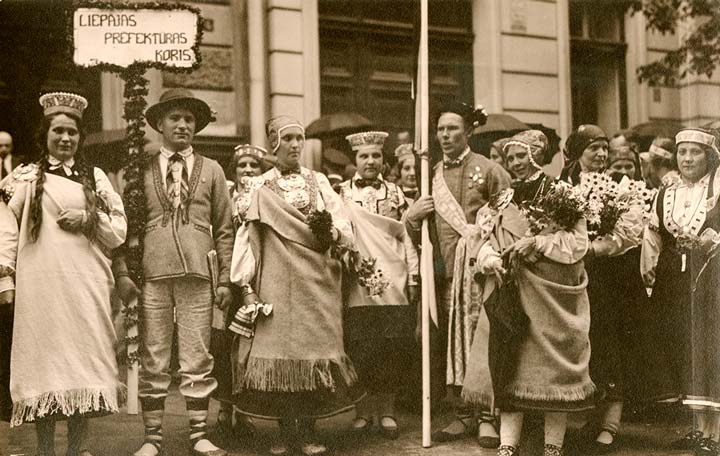
Parades have taken place at all Song Celebration and Dance Festivals (except 1926) and form the event’s most colorful presence in the city itself. Parades feature both organizers and participants dressed in folk costumes, with floral bouquets and wreaths. Spectators on overflowing pavements applaud and cheer, expressing their joy and gratitude to the organizers and participants. Parade routes have varied, but one of the most emotional highlights is now at the Freedom Monument. This section includes a description of parade routes, route maps, photographs and quotes from the memories of contemporaries.
“Svētku gājiens, ko vadīja fiziskās audzināšanas inspektors Voldemārs Cekuls, sākās 17. jūnijā plkst. 16.00. Gājiena laikā pāris reizes uzsmidzināja lietus, taču, salīdzinot ar iepriekšējiem svētkiem, laiks šoreiz visumā bija labvēlīgs. Gājienu ievadīja senlatvju jātnieki, kam sekoja svētku rīkotāji, virsdiriģenti un kaimiņvalstu kori, pēc kam nāca Vidzemes, Latgales, Rīgas, Kurzemes un Zemgales kori.
Pirmos atsaucīgākos aplausus izpelnījās valmierietes, bet ne mazāku sajūsmu skatītāji veltīja valcenietēm, dzērbenietēm, smiltenietēm, limbažniecēm, tāpat Latgales un Rīgas koriem. Pēdējie pārsteidza skatītājus ar lielo tērpu dažādību, īpatnajām galvas segām un krāšņajām rotām, tā apliecinot, ka tautas tērpu renesanse beidzot bija skārusi arī Rīgu. Visaugstāk sajūsmas vilnis tomēr uzsitās, parādoties lejaskurzemnieču košajiem tērpiem, kuru vidū daži bija jau tik seni, ka tika valkāti vairs vienīgi lielāko svinību reizēs.”
(Bērzkalns, Valentīns. Latviešu dziesmu svētku vēsture, 1864–1940. 1965. 420. lpp.)
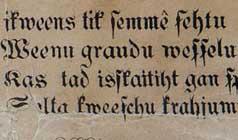
A wide variety of materials have always been printed for Celebrations and festivals – sheet music, books, booklets, programme books, event plans, dance descriptions, periodicals, notices, rules of order, entrance cards, invitations, flyers, thank-you notes. The section includes the above-mentioned material dedicated to each specific Celebration, as well as music history books covering both the specific Celebration and the history of the festivals in general.
Many different documents are produced during the process of organising evens. This section contains documents on developing Celebration concepts, minutes of organising committee meetings, financial documents, individual and inter-institutional correspondence, decisions taken, documentation relating to the construction of festival buildings, regulations and instructions for participation in festivals, documents relating to the running of competitions (lists of participants, repertoire, applications for participation). Documents are in Latvian and Russian.
Here you will find recordings of broadcasts from the Latvijas radio sound library, as well as audio recordings of songs performed at particular Song Celebration concerts.