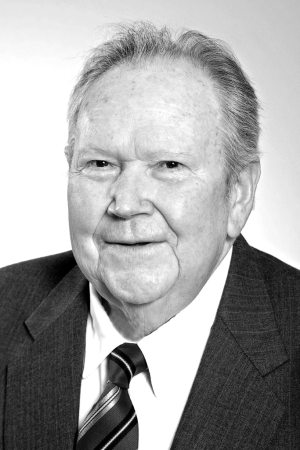
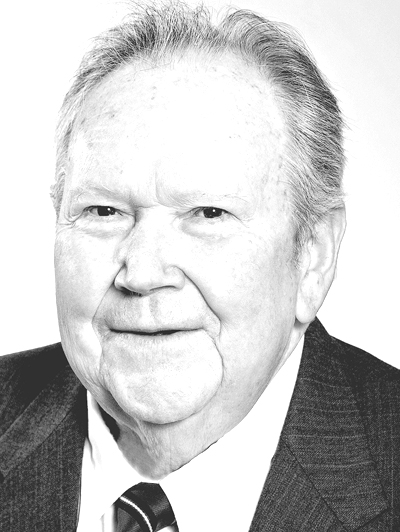
Vilis Ozols
1923–2011
Choreographer, cultural figure
Born 20 March 1923 at the Mežgaiļi farmstead, Valgunde Parish, Jelgava District. Studied at the Jelgava Teachers’ Institute (1941–1943). During World War II, he ended up in Leningrad, where he became a member of amateur ensembles – playing in an orchestra, dancing in the Gorky Palace choreography studio and directing dance groups.
These activities show the way to his choice of profession and, after graduating from the Rīga Cultural Education Technical School, Ozols becomes a cultural figure, eventually graduating from the N. Krupskaja Leningrad Cultural Institute (1959–1964).
Ozols’ career is linked with Jelgava. He becomes a prominent figure in Jelgava’s cultural scene, working as artistic director (1950–1951) and director (1955–1960) of the Jelgava Cultural Centre, and as a manager of the Construction Administration Club (1951–1955). In 1952, he founded the Jelgava Cultural Centre dance group (later named Jaunība (Youth)), one of the first in Latvia to achieve the title People’s Folk-dance group. Over his career, founded and led dance groups at the Latvian Academy of Agriculture (1961–1964), Emburga near Sidrabene (1967–1969) and Zaļenieki (1969–1970), led the Lielupe song and dance ensemble (1970–1985), Latvian linen-manufacturers’ dance group (1973–1975), the Diždancis folk-dance group (1975–1983), the Laipa (plank-way) middle-generation dance group (1994–2000) and the Platone dance group. All the young people’s, middle-generation and seniors’ groups led by Ozols have always participated in various festivals and won prizes in competitions. “If you place beautiful words in a row, it’s not necessarily poetry, and so it is with dance – putting steps together does not make a dance. A dance must have beautiful music, the thought must also be beautiful. It must have a soul.” (Čepanone, Sintija. My dances belong to the people. Jelgavasvestnesis.lv. 1 November 2009)
Was the first to pay particular attention to the seniors’ dance-group movement, directing seniors’ dance groups and organising concerts and festivals. As a movement consultant, has been involved in many theatrical performances, such as the Latgalian Wedding at the Rēzekne Folk Theatre and the Lielupe song and dance ensemble’s Koncerts retro stilā (Retro Concert, 1981). Ozols is one of the first choreographers to focus on fictional dances to become involved in content-based dances, such as Traktoristi azaidā (Tractor Drivers at Table), Dzintarkrasta puiši (The Amber Coast Boys) and Vecais Taizels (Old Taizel). To achieve a more accurate reveal of the content and create a mood, the choreographer included a variety of objects in his dances for the first time – horseshoes (Kas tur skan/What’s that noise), candlesticks and chairs (Vakarēšana/Dinner time, Sader liepa ar ozolu/The Lime and Oak go Together). His portfolio of new dances includes more than 75 in a variety of genres, many of which have received awards at competitions. 17 of his dances have been performed at eight Dance Celebrations, most of them under his own directorship. “There are one and a half million Latvians, but only about thirty have been Chief choreographers. The director has to have an awareness – to see each dancer individually and all of them together. My dances are not only danced in Latvia, and in those far-off lands the audience has no inkling that this dance could have an author – some Vilis Ozols. They see it as a Latvian folk dance, that’s exactly why my dances belong to the people.” (Čepanone, Sintija. My dances belong to the people. Jelgavasvestnesis.lv. 1 November 2009)
A Chief choreographer at the 6th and 8th-12th Dance Celebrations, Honorary Chief choreographer at the 13th and 14th Dance Celebrations, A Chief choreographer at the Rīga-800 Festival, Chief choreographer for Dobele District, Jelgava City and District dance groups.
Commander with Chain, Order of the Three Stars (1997), received the highest award of the City of Jelgava – the Jelgava Decoration of Honour and a lifetime Stipendiate of the State Culture Capital Foundation (2001).

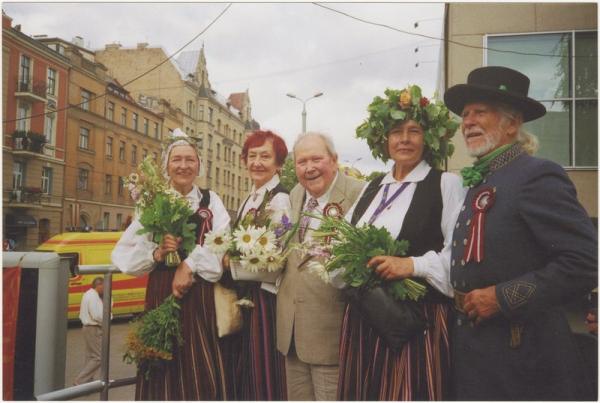
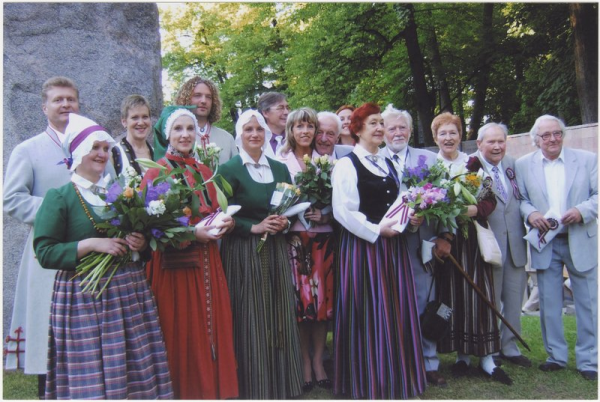
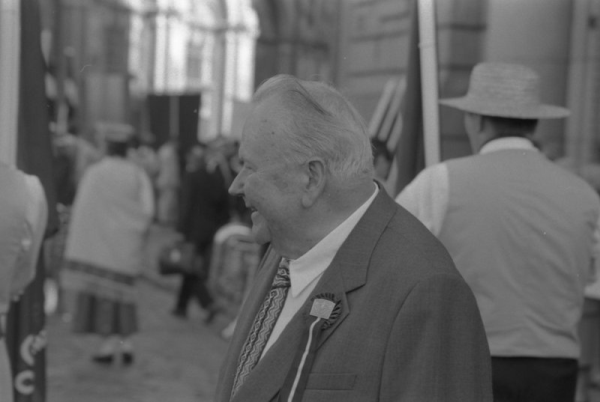
![Vilis Ozols - Zemgales deju ķēniņš /[redaktore Elita Priedīte]](https://dziesmusvetki.lndb.lv/wp-content/uploads/objects/488654/resized/2resized_thumbnail.png)